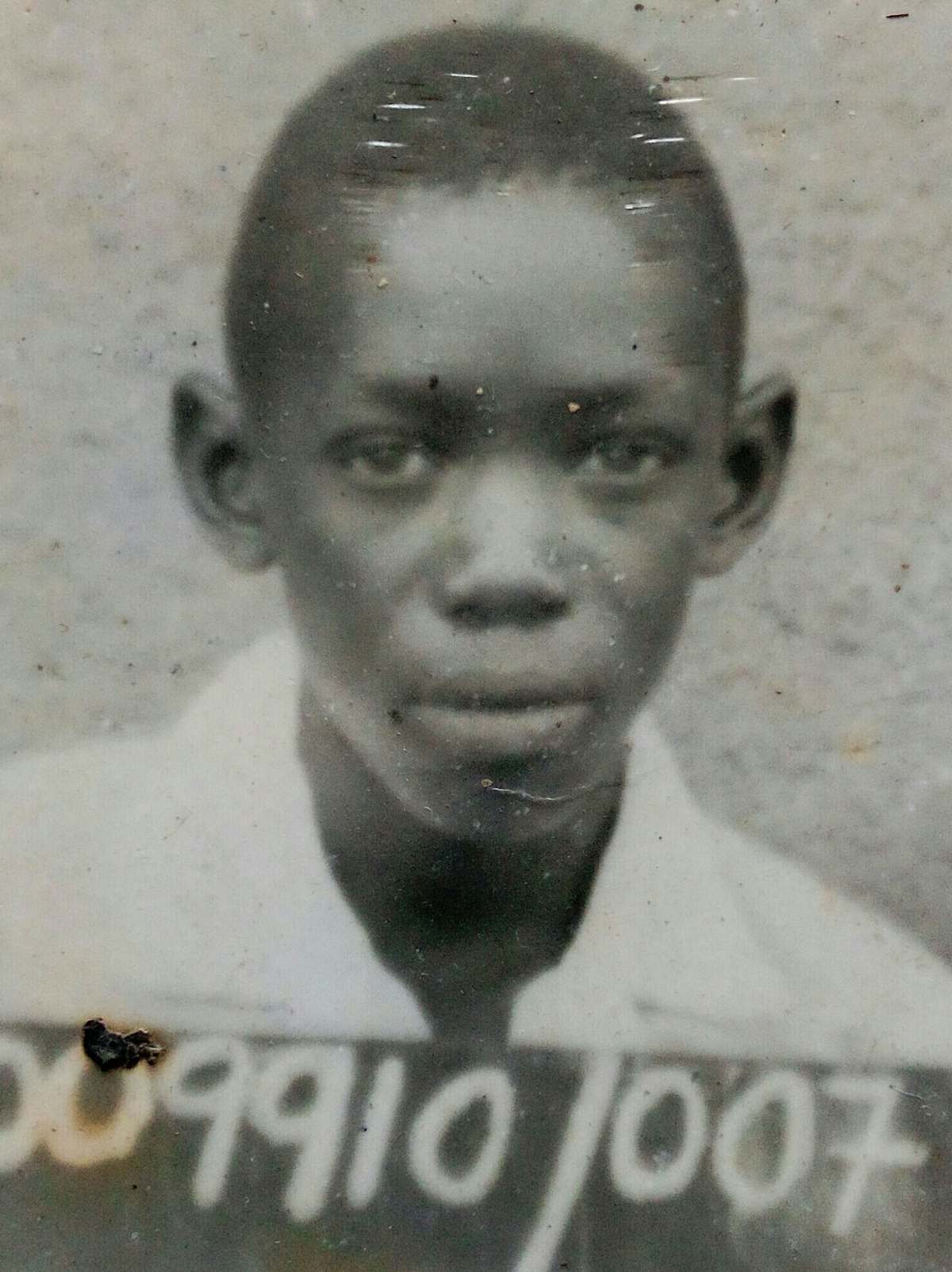
There is a Baganda proverb that says a tree’s strength is measured not by the gentleness of the seasons it has known, but by the storms it has survived. By that measure, Lukonge Achilles Musaasizi is a forest.
Born on the 4th of January 1993 in Kisaka Village—a small, lush settlement tucked into the rolling hills of Kakuuto Sub-County, Kyotera District, in southern Uganda—Achilles entered the world in a banana plantation, under the open sky, the ninth of twelve children. His mother Rose, who had delivered most of her children without medical assistance, looked at this particular infant and called him her “polite baby,” sensing something different in the quiet steadiness of his gaze. She was not wrong.
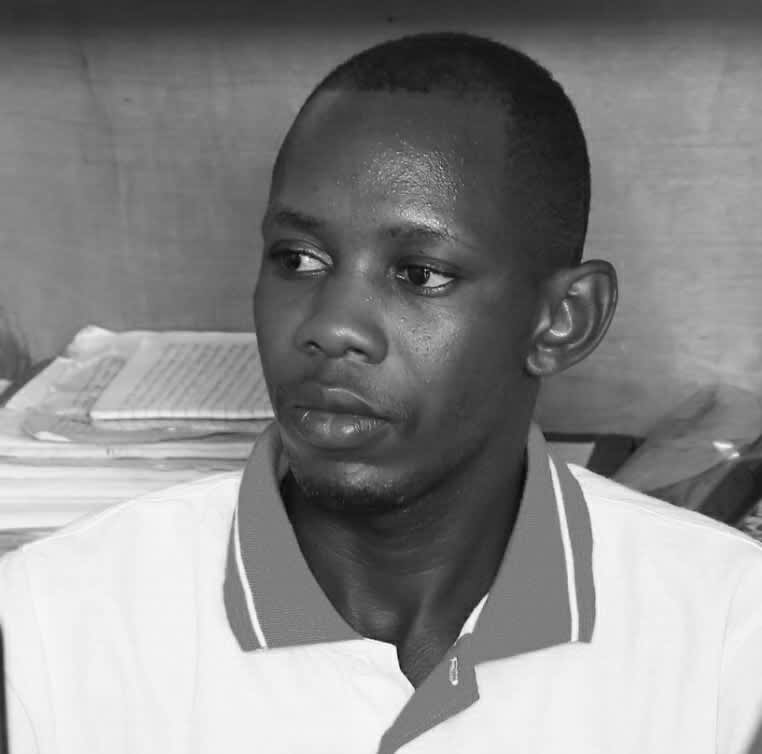
The world Achilles was born into was beautiful and brutal in equal measure. Kisaka sat in a region still raw from the Uganda-Tanzania War of 1978–79, a conflict that had torn through his parents’ lives like a blade—sending them fleeing through the bush with three infants, crawling on their bellies under flying bullets, drinking from flooded streams, surviving famine in refugee camps.
His mother would later recount those years with the quiet precision of someone whose memories had never softened. Achilles listened to those stories as a boy of fifteen, and he did not look away. He recorded them.
A Childhood Built on Dreams and Dust
To grow up in Kisaka was to grow up intimate with both poverty and wonder. The family home was a mud-and-reed structure with cracked walls, bark-cloth beds on the floor, and a leaking thatched roof that let in the rain and the wind. Rats gnawed at heels in the night. Jiggers burrowed beneath toenails. There were no shoes, and sometimes no breakfast before the two-kilometre walk to Kibaale Primary School.
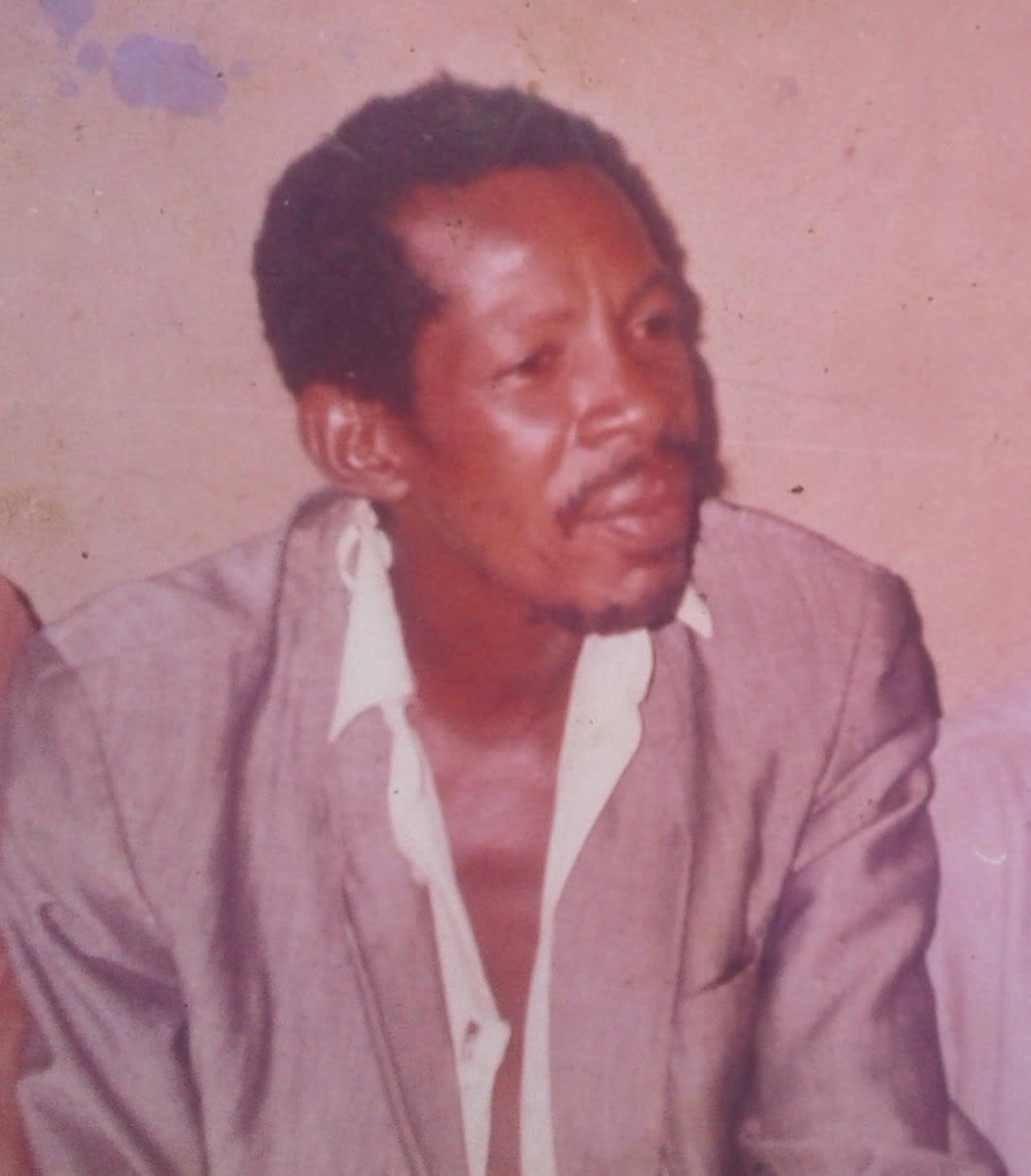
His father, Deogracious Kaggwa, was a man of astonishing gifts—an electronics engineer, a vocabulary-rich English teacher, a village chairperson, a beekeeper, a philosopher of the countryside—who had been stripped of his inheritance by family betrayal and driven to alcoholism by grief. For thirty years, the man who could multiply ten-digit numbers in his head stumbled through the family compound, stinking of waragi, selling off coffee harvests before they ripened. The children tiptoed past him like they were passing a sleeping cobra.
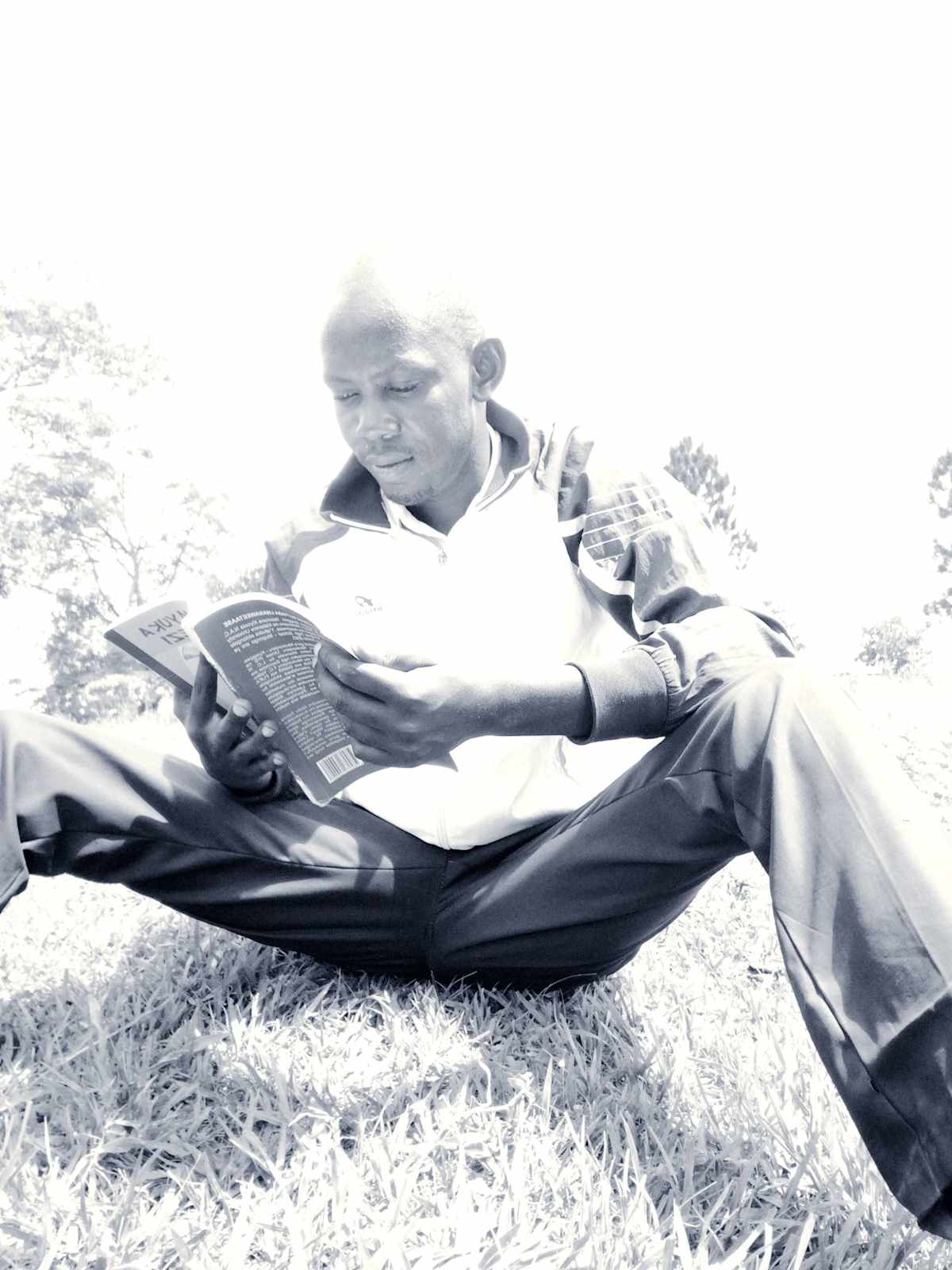
But Achilles refused to become the story he had been handed. Where his father dissolved into drink, he dissolved into books. Where shame threatened to swallow him—he was the jigger-infested son of the village drunk, mocked at assembly, chased home by teachers who beat infected feet with sticks—he turned inward and began to dream with a ferocity that frightened even him. At five years old, he decided he would earn a university degree before he married. He told no one. He just began.