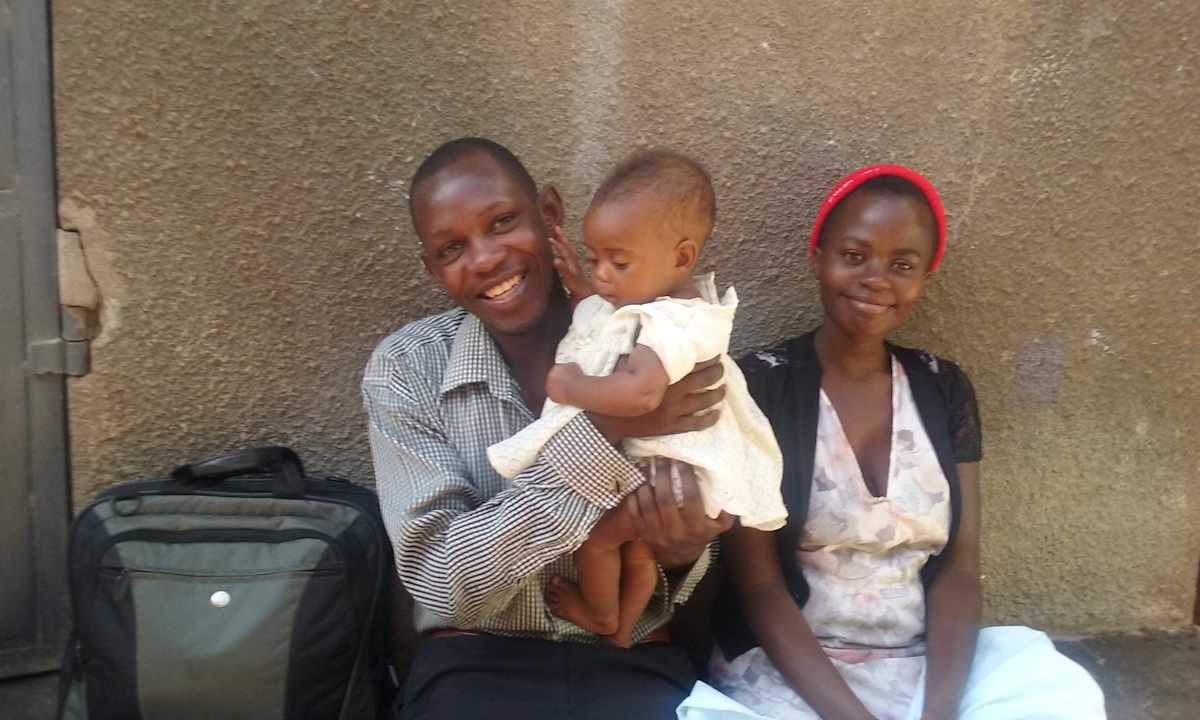
Achilles Lukonge is a Professional Social Worker, Economist, Historian, and IT Expert—a rare convergence of disciplines that makes him one of the most versatile humanitarian voices of his generation. He is a respected author and a tireless advocate for the economic, social, and spiritual empowerment of children, the girl child, persons with disabilities, and the vulnerable poor.
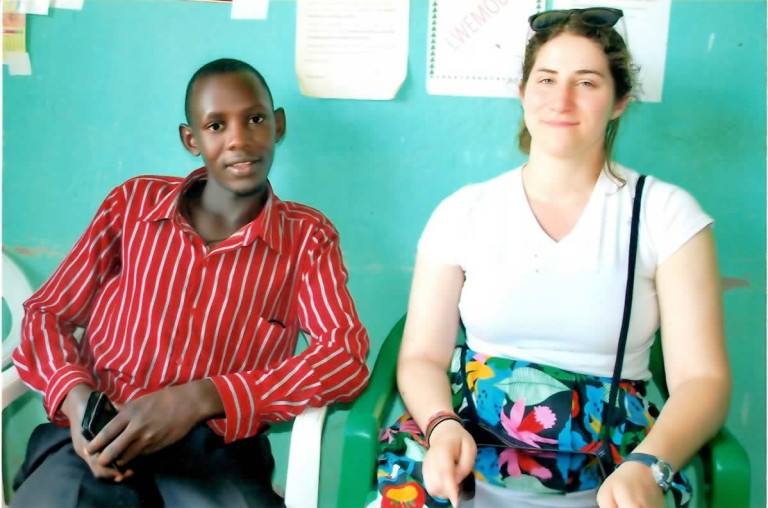
He did not choose social work so much as social work chose him. After graduation, he joined Pelletier Teenage Mothers Foundation (PTMOF), working with young mothers navigating the wreckage of early pregnancy, and later partnered with Madipha and Lwecop, organisations focused on community welfare and development. His social and humanitarian work, delivered through multiple non-profit organisations, has reached the lives of thousands of children, young mothers, and youth across Uganda.
He is a strong advocate for human rights—children’s rights, workers’ rights, and the rights of activists—volunteering to report child abuse cases to government offices, without pay, in communities across the country. His professional mentors—among them Madam Nanvule Solome, Mr. Ssenyonjo Moses, and Madam Namuwulya Alice—describe him as someone who carries the weight of the communities he serves as though it were his own
.Building What Was Never There
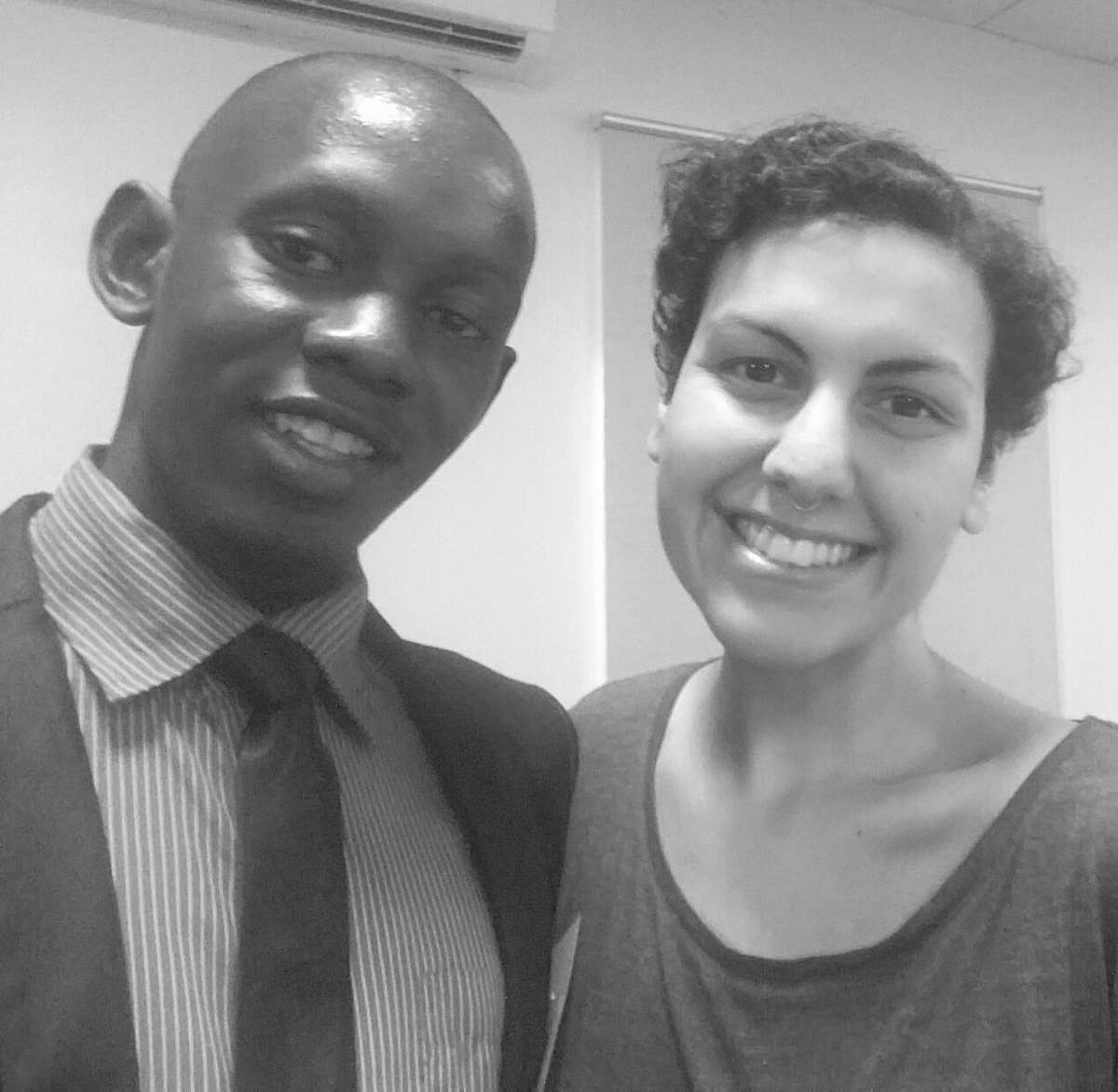
Never content to witness need without responding to it, Achilles has channelled his experience and resources into founding two transformative initiatives.
The first is Give a Hand to the Poor Arch Foundation (GIHPAF), an organisation dedicated to helping vulnerable people access social needs and education—the very lifelines he once lacked and that others extended to him. The second is The Dream Academy (TDA), which teaches vulnerable and rural communities computer literacy and technology skills, bringing digital access to those who have historically been locked out of the information economy.
These are not abstract charitable gestures. They are the architecture of a man who looked at his own childhood—the barefoot walk to school, the years without electricity, the village where a radio was a luxury—and decided that no child after him should have to dream without tools.