The Parasites and the Mice and the Things We Did Not Speak About
There are details I left out in polite company for a long time.
The jiggers, for instance Jiggers— the blood-sucking parasites that lived in the dust of the floor and burrowed beneath toenails. The rats that came at night and, if you did not protect yourself carefully, would gnaw at your nails and the skin of your feet while you slept. These are not the details of a story that gets told at dinner parties. But they are the details of the actual experience, and I have decided that the actual experience is what I owe the reader.
Because here is what I know: the people who grew up in houses like mine, who survived jiggers and cold floors and shared bark cloth blankets and toilets half a kilometre away in the dark — those people did not survive in spite of those conditions. They survived because of the specific hardness that those conditions created in them. A hardness that is not cruelty. It is more like density. Like something that has been compressed by difficulty until it cannot be compressed further.
I carry that density now. I have carried it everywhere I have gone. And there are moments — in offices, in meetings, in situations that present themselves as difficult and ask whether you will fold — when I feel it, and I am grateful for it. Even now. Even after everything.
Growing Up Under the Mechanic's Shadow
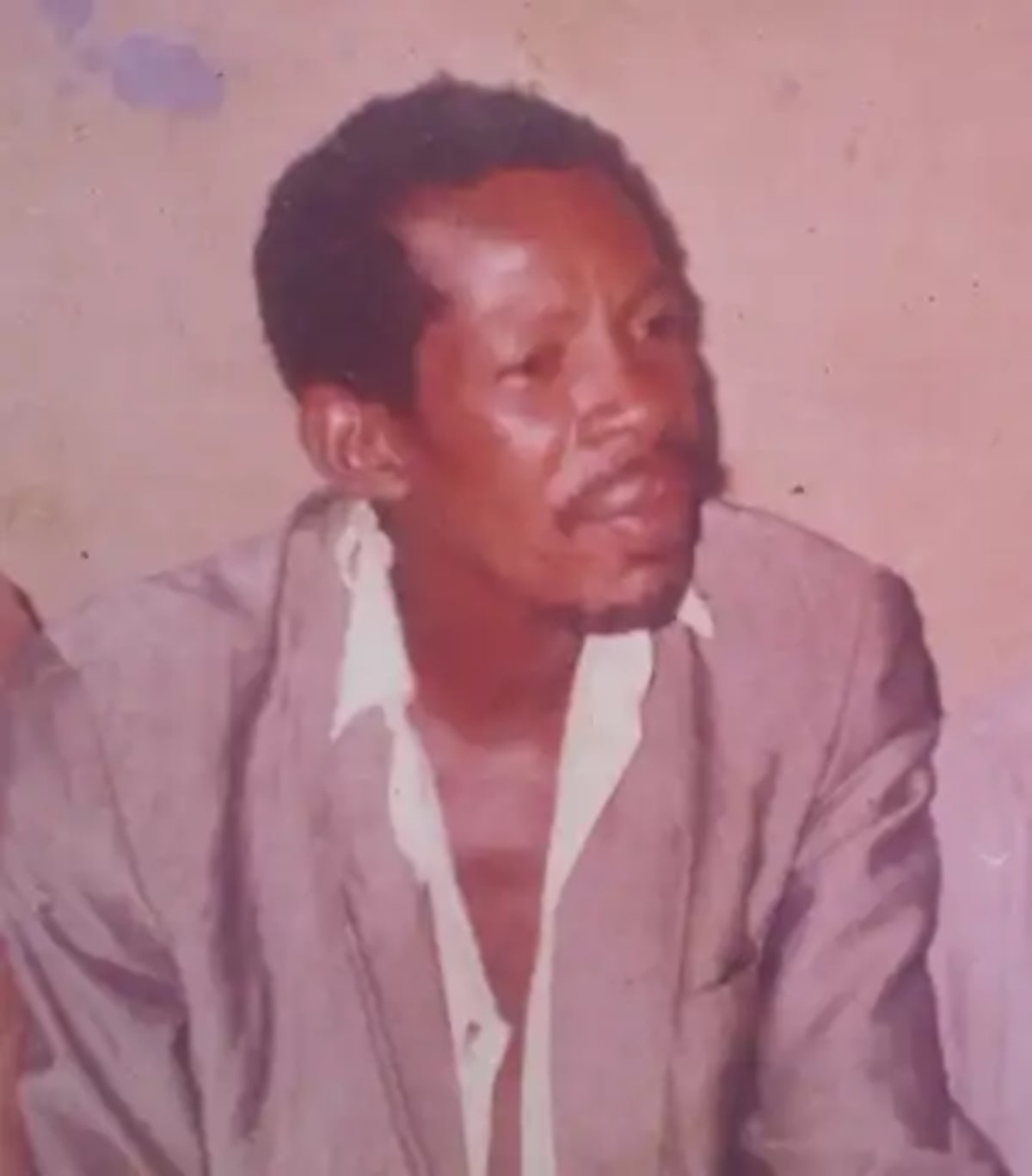
My father was a mechanic. He worked on machines for a living, alongside farming. He was good with engines — the way a thing works, the way its parts relate to each other, the way a broken thing can sometimes be made to run again. I inherited something of this disposition, I think, though it expresses itself differently in me.
But my father carried his own damage, and he carried it in ways that sometimes spilled onto the people around him. Growing up under that shadow — the unpredictability of it, the narcissism, the moments of rage — was its own education. It taught me what I did not want to become. It taught me the difference between a man who repairs things and a man who breaks them. It taught me, slowly and painfully, that being someone's child does not require you to repeat their story.
That understanding did not come early. It came the hard way.
I am writing this because I want you to understand something about the house before I tell you what the house eventually made possible.
The house is where I became who I am. Not in the triumphant sense, not in the sense of some clean motivational arc where the poverty is simply the setup and the success is the inevitable punchline. It is more complicated than that, and less linear. The house shaped me in ways I am still discovering — ways that sometimes feel like gifts and sometimes feel like wounds that have closed but not quite healed.
What I know is this: there came a point when everything about that house, everything about Kisaka, everything about the particular life I had lived in that particular compound, pushed me toward something. A decision. A direction. A dream that I did not yet have words for but could feel the shape of, the way you feel the edge of something in the dark before you can see it.
I was about to begin moving toward it.
But before I could, something happened that nearly stopped everything.
— Lukonge M Achilees-
Author of The Dream From Dust