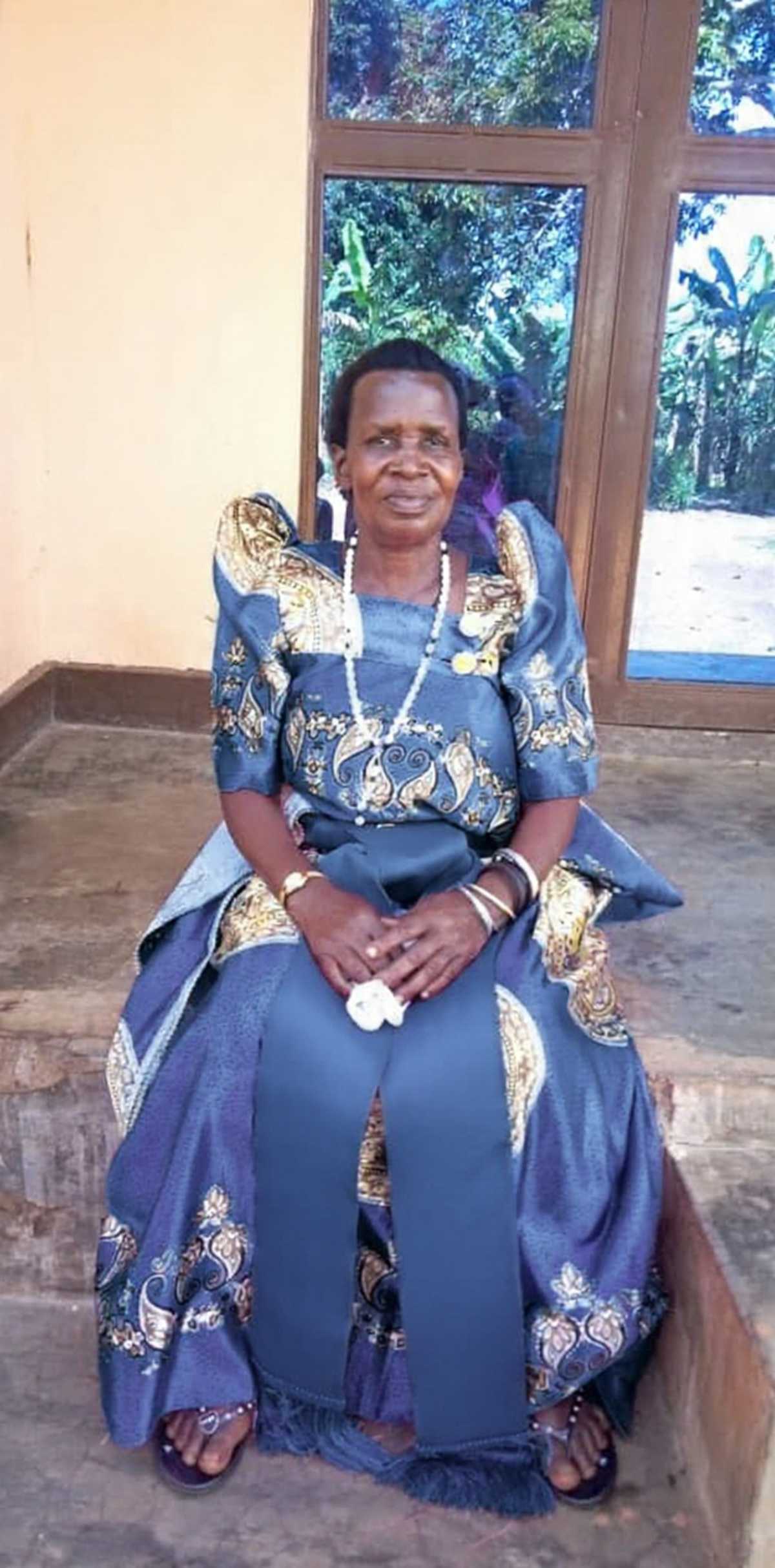
She Fed the Neighbourhood Before She Fed Her Own Children — And Never Once Complained.
My mother stood over a burning mud stove in above-110-degree heat.
She did this most days. The smoke from the three-stone open fire was so thick in the kitchen that you could not see her face when you walked in — you heard her before you saw her. Her voice, low and steady, arriving through the smoke before any other evidence of her presence.
But here is the detail that I have carried with me for thirty years, the one that tells you everything you need to know about Rosemary Nakayemba:
She was not cooking for her family. Not yet. She was cooking for the hungry people of the neighbourhood first. Our family would not eat until the food had been delivered — until I had carried the plates to wherever the poor of the village were sitting together in the evening for their only meal of the day. That was the sequence. That was the rule, unspoken and absolute.
I do not know when I first understood that this was unusual. Probably quite late. When you grow up watching something, it takes years to understand that the rest of the world does not operate the same way.
The Gomesi and the Rosary
When I picture my mother at prayer, I see her standing next to our beds late at night. We would be — or appear to be — asleep. She would not know I was watching. She wore her large traditional cloth, the Gomesi, and she held the rosary that she carried everywhere. Her lips moved. No sound came out. Her face had an expression that I have never seen on any other human face, before or since — focused, peaceful, and devastated all at once.
I would lie there with my eyes half-closed and watch her and try not to move, because I did not want to interrupt what she was doing and I did not want her to know that I knew she was doing it. There was something private in it that deserved to remain private. This was not a performance of faith. This was a conversation she was having with something she genuinely believed was listening.
I would sometimes cry, watching her. Not from sadness. From something harder to name — the feeling of witnessing a person giving everything they have, quietly, in the dark, without an audience, without a return.
She looked more beautiful at prayer than at any other time. That is simply true, and I am not sure how to explain it except to say that what I was seeing was a person who had found the place where their full self lived, and was living there completely, for those few minutes, before returning to the demands of the morning.
— Lukonge M Achilees-
Author of The Dream From Dust