The Other Days
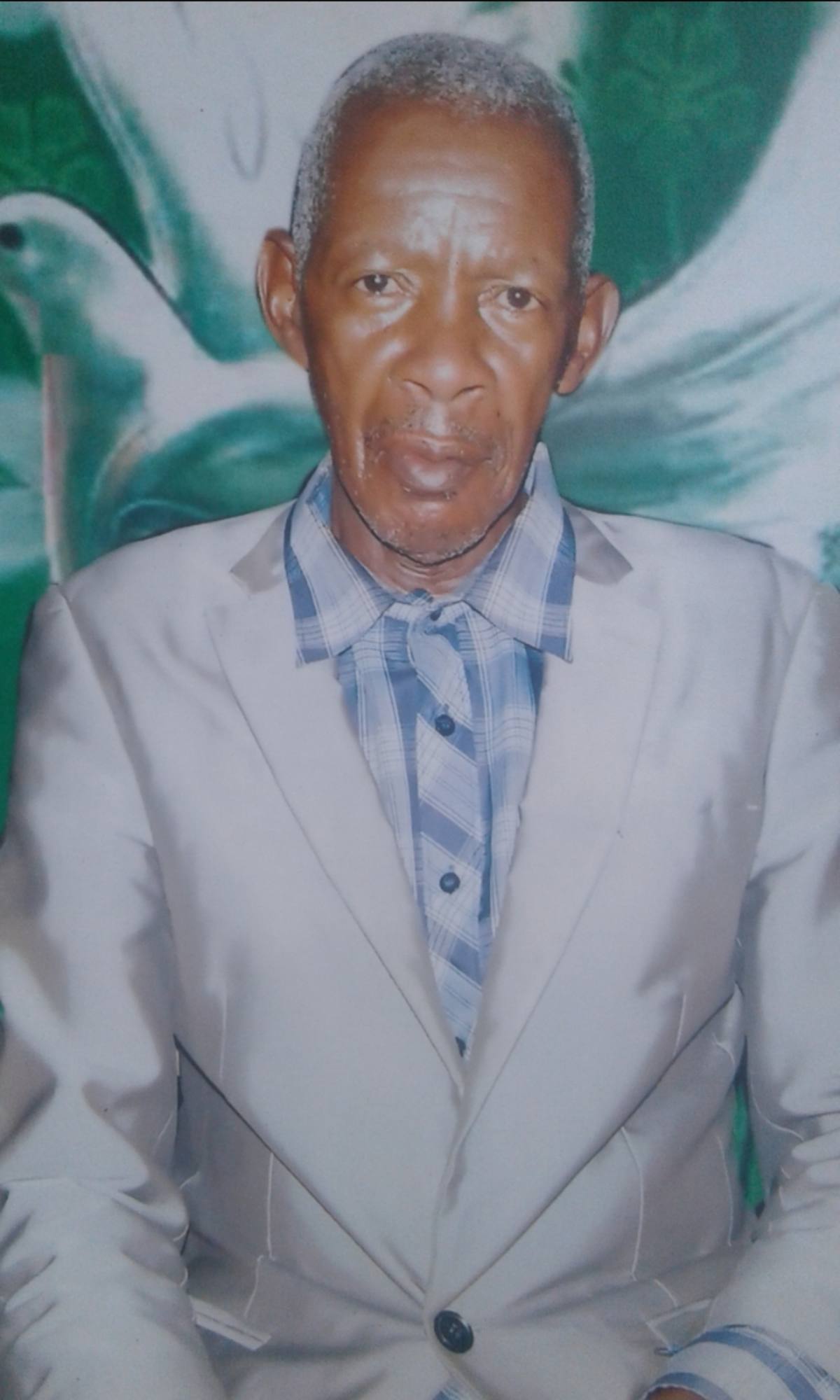
I told you his day began at five in the morning, on the days when he was sober.
There were other days. Days when the person who was up before everyone else and walked quietly to the plantations and listened to CBS FM in the early light was not available. Days when something else had taken his place.
I will not detail the other days at length here. Not because I am protecting him — I have long since stopped needing to protect him in that way — but because the details are not the point. The point is what the other days did to the space around them. How they changed the texture of the house. How they meant that you learned, very early, to read the morning before you entered a room. To listen at the door. To assess, in the first seconds of seeing someone, which version of them you were going to be dealing with today.
This is a specific kind of intelligence that children who grow up in uncertain households develop. It is extremely useful and it costs a great deal. It means you are always slightly on alert. It means the baseline state of your nervous system is watchfulness rather than ease. It means you become very good at anticipating what other people need and very bad at simply existing in a moment without calculating it.
I am still, decades later, working on that last part.
What the Village Said About the Kaggwas
People in Kisaka used to say that the people from my father's family were wise.
I heard this my whole childhood and it sat strangely with me, because the evidence of that wisdom was not always obvious. My father was wise, yes — and also unreliable. Brilliant — and also absent. Full of knowledge — and also, in ways I only began to understand as an adult, full of pain.
What I understand now is that wisdom and damage are not opposites. That a person can carry extraordinary knowledge and extraordinary pain in the same body, and that sometimes the pain is the price of the knowledge, and sometimes the knowledge is the thing that makes the pain survivable.
My father survived. So did I. We did it differently, with different tools, with different costs.
I took his English. I took his way of looking at things — the mechanic's disposition, the analyst's eye. I took the conviction that anything broken could, in principle, be understood and repaired. I took his love of language.
What I left behind, or tried to, was the other thing. The inherited darkness. The pattern that a child absorbs before they have the words to name what they are absorbing, and that sits in the body for years, waiting.
I was twenty-something years old before I fully understood what I had taken from him and what I had decided to refuse. By then, something had already happened — something I could not have anticipated, could not have prevented, and that changed the direction of everything.
I am not ready to tell you what it was. Not yet.
What I can tell you is this: my father walked out every morning at five, on the good days, to check on the coffee and banana plantations. He walked the quiet paths before the day made its demands. He loved those paths. I know this the way I know things about people I have watched carefully for a long time — not because he said it, but because of the way the tension left his shoulders when he was heading toward the trees.
I think about that sometimes. The thing that gave him peace. The plantations and the early light and the paths nobody else was on yet.
I wonder if he knew how much I was watching him. I wonder if he knew what I was learning.
I wonder if he knew, in those five-in-the-morning moments, that he was teaching me something about survival — about the necessity of having a quiet place to walk toward, before the day begins its demands — that I would carry forward long after everything else between us had been resolved, or left unresolved, or simply set down and walked away from.
— Lukonge M Achilees-
Author of The Dream From Dust