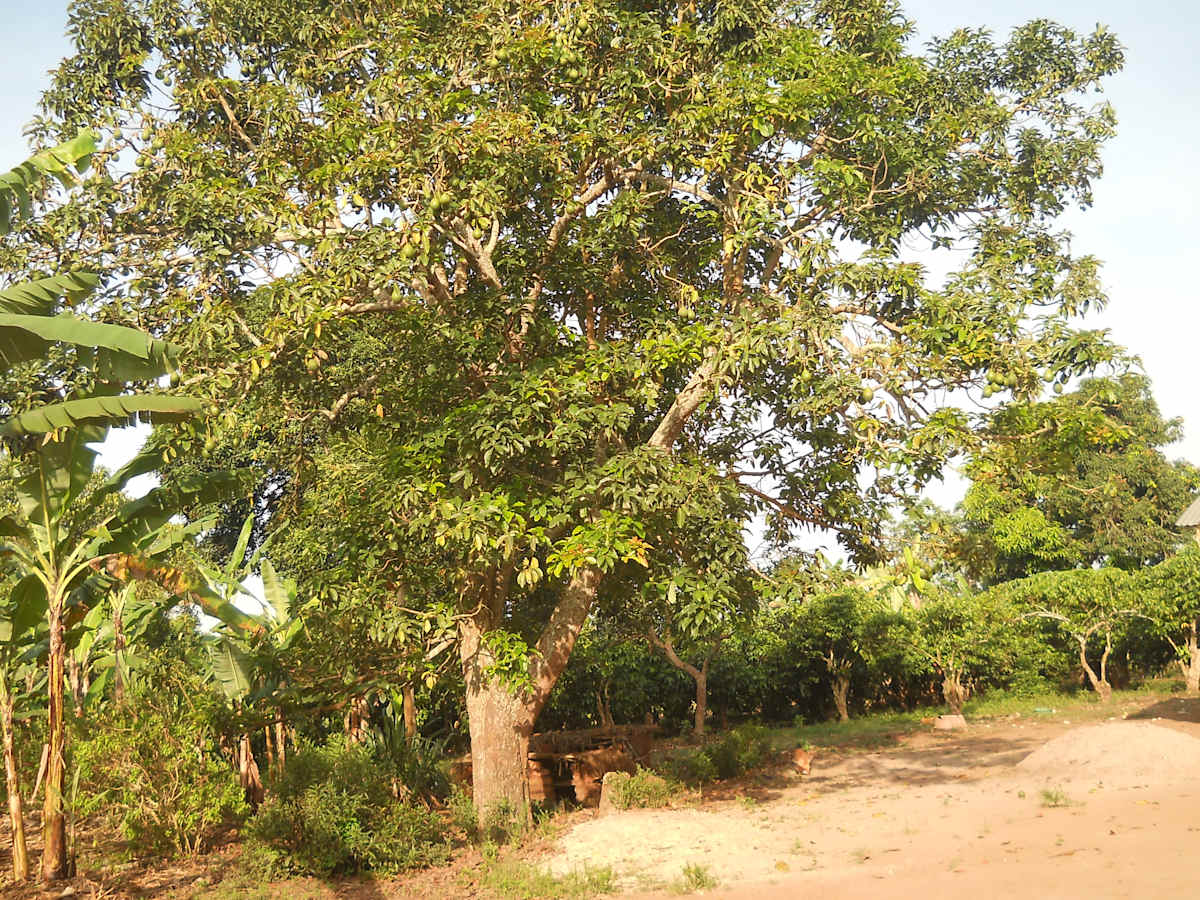
Poverty Had a Home in Our Village — And We Wore It With Our Heads Up
Poverty had a home in our village.
I want you to sit with that sentence for a moment before I continue. Because when most people hear the word poverty, what they are really hearing is the end of a story — the conclusion, the diagnosis, the thing that explains why a place is the way it is and why its people are the way they are. They hear it and they think they understand. They do not.
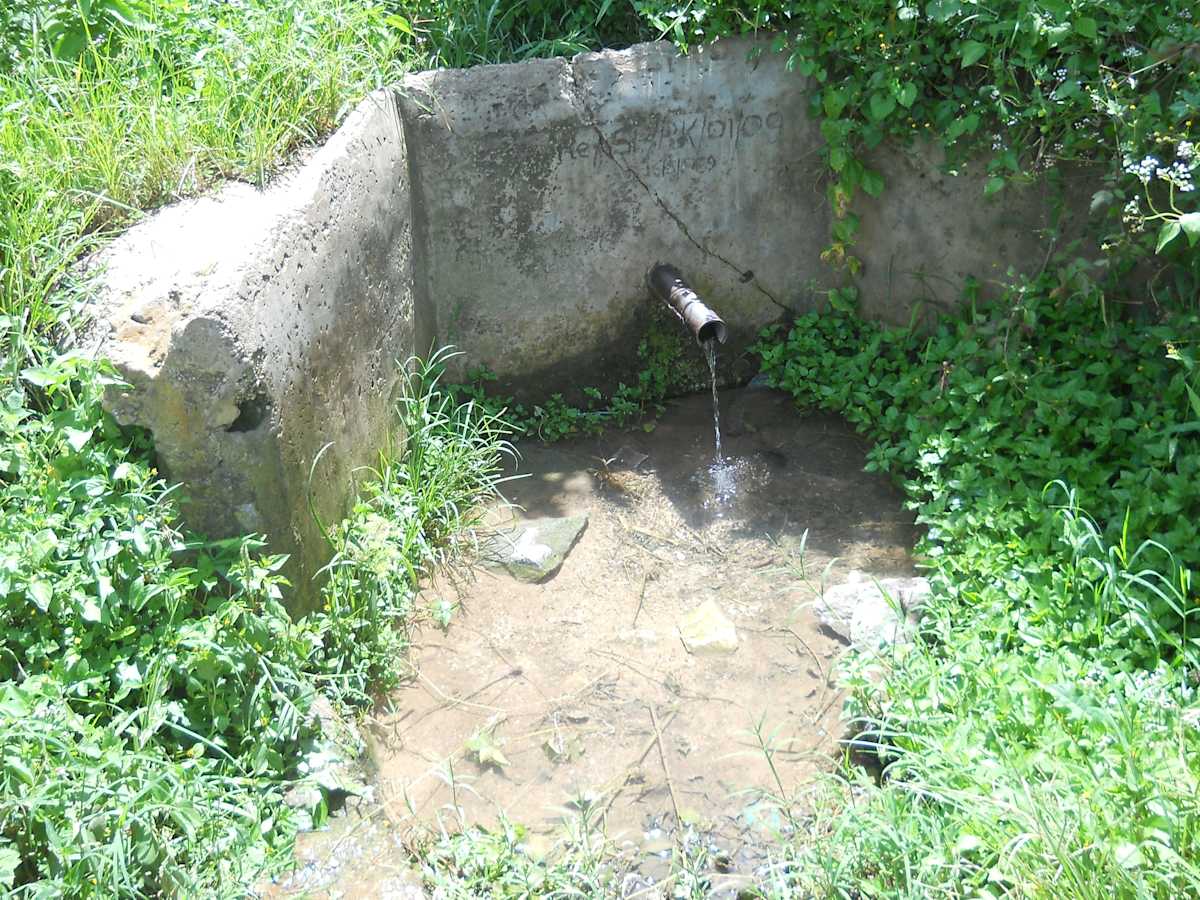
Poverty in Kisaka was not an absence. It was a presence. It had weight and texture and a particular sound — the sound of women carrying water on their heads from miles away, the sound of a drum beating communication across hills where there were no telephones, the sound of a community sitting together in heavy silence around a mother whose baby had not made it through the night. Absorbing the pain. Folding it, slowly, into the stream of life.
What the outside world calls poverty, we called Tuesday.
What We Ate and How We Carried Things
Let me be specific, because vagueness is how these stories get turned into something decorative rather than true.
In dry season, in drought, in the ordinary run of any given week: we ate corn porridge in the morning. At midday, posho with a piece of boiled meat — hunted, or trapped, or coaxed from the bush with a poisoned bird. In the evening, we returned to what we had eaten at breakfast. This was the cycle. It shifted in wet season, in harvest time, when the earth briefly gave more than it required. But those seasons were not the dominant ones.
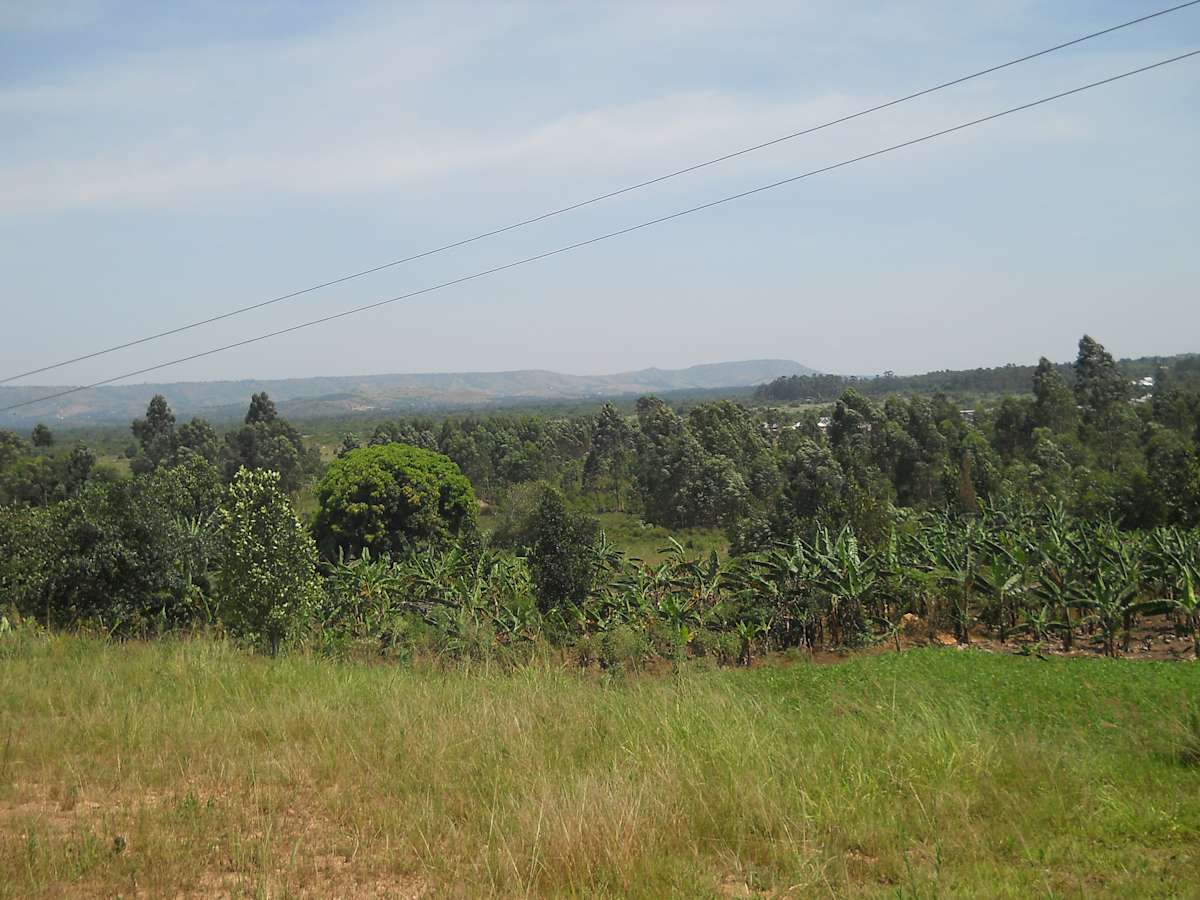
We transported almost everything on our heads. Water from miles. Bags of corn and maize. Firewood. Grass for mulching. Bricks for building. I grew up watching the women of my village move under impossible loads with a steadiness that I have never since seen replicated by any machine or any infrastructure. They did not stagger. They adjusted.
That adjustment — the body learning to carry what it has been given — is something I have thought about for years. I think it is the central skill of the life I came from. Not endurance in the dramatic sense. Something quieter. The daily decision to keep moving under the weight, without ceremony, without an audience, because the alternative is to put the weight down and then nothing gets where it needs to go.
The Village Sky and What It Did to People
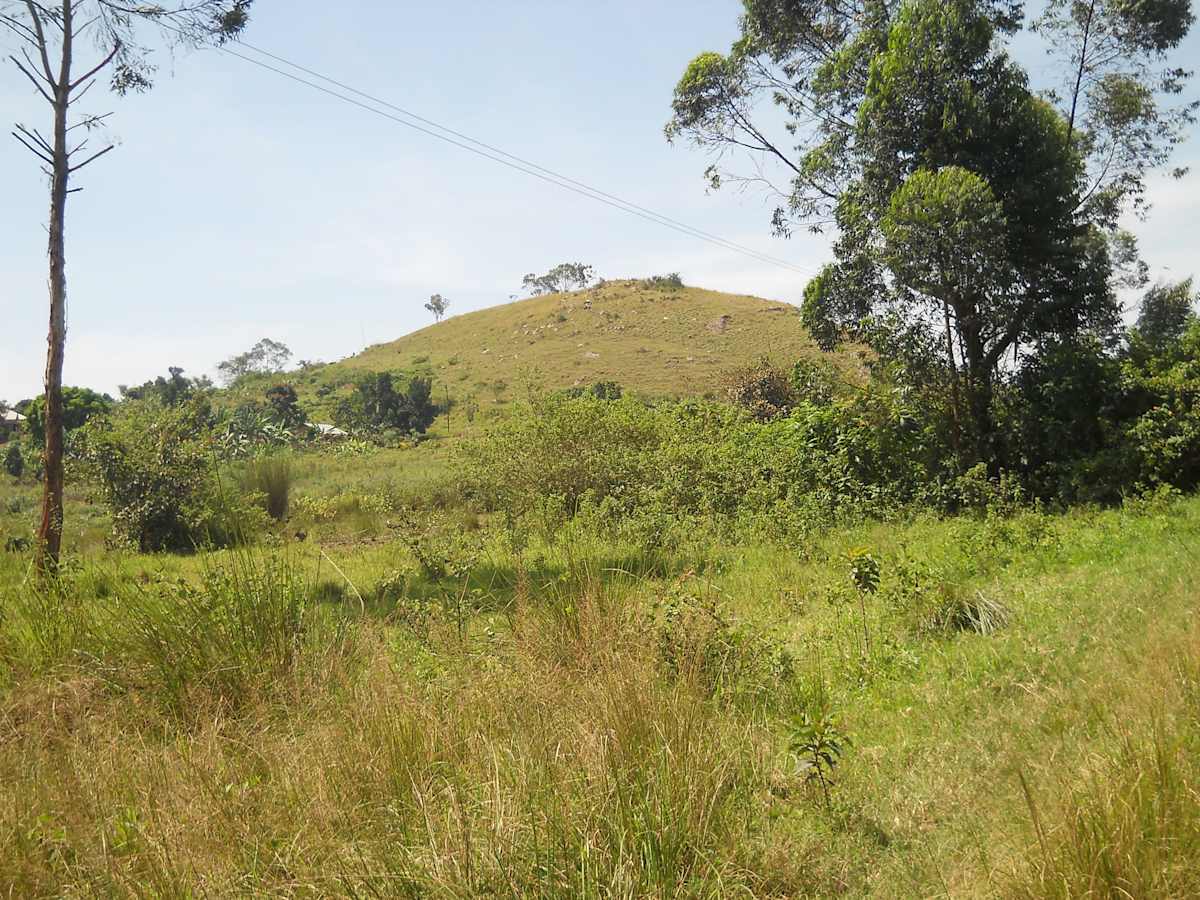
There is no end to the sky over Kisaka.
I know how that sounds. But I mean it as a specific, observable fact: the sky over that village is enormous in a way that changes you if you grow up under it. It strips you. It removes everything that is not essential. And what it leaves behind — once the non-essential has been taken — is a kind of intense human awareness. You look at the person in front of you and you look deeply, into the eyes, because the eyes are where the information is. Not the shoes. Not the house. The eyes.
Friend or foe. That is all that matters.
I have spent years in cities since then, and I notice that people in cities do not look at each other this way. They look at the edges of each other — the clothing, the phone, the neighbourhood, the accent. They locate each other by coordinates rather than by contact. It is more efficient, perhaps. It is also lonelier than anything I experienced in Kisaka, and I grew up in a village where the nearest hospital was hours away and malaria killed babies every season.
The people of my village were not gentle because life was easy. They were gentle because the sky had taken the non-essential out of them, and what remained was mostly human.
— Lukonge M Achilees-
Author of The Dream From Dust