What It Means to Be Called 'Polite Baby'
My mother called me her polite baby. She said I had inherited her traits more than any of her other children: the politeness, the passion, the quietness, the way I turned inward when the world got loud.
For a long time I thought this was simply a mother's tenderness — the kind of story a parent tells a child to make them feel special. But as I got older, I started to understand that she was also telling me something about herself. She was saying: you are made of the same material as me. She was saying: you come from somewhere specific. She was saying: know where you come from, because it will explain many things about who you are.
I am still learning what she meant.
I know now that the politeness she saw in me was also a kind of armour. That the introversion was also a survival strategy developed by a child in a loud, overcrowded, sometimes frightening house. That the care I felt for people around me — and still feel — was partly the care of someone who grew up watching a woman give everything she had and then find a little more.
I know that I learned what love looks like from a woman who demonstrated it mostly through action and endurance, who rarely said the word but showed it every single day in the smoke and the silence and the prayers.
The Night My Father Tried to End It Before It Started
I was told this story by a sister, one night, in the specific darkness that exists in those hours when people finally say the things they have been carrying.
The month before I was born, my father came home drunk. He beat my mother. This was not, I understand now, the first time. She was eight months pregnant with me. And as he struck her, as she fell to her knees trying to protect the child she was carrying — trying to protect me — he screamed that he would beat until what was inside her was gone.
I have sat with this story for a long time. I have tried to find the clean feeling about it, the resolved feeling, the feeling that says: I have processed this and put it away.
I have not found that feeling. I am not sure it exists.
What I have found instead is this: my mother knelt on the floor and prayed, and I arrived two months later, and here I am. That is the thread the story has. It does not make the violence acceptable. It does not answer the question of what a child is supposed to do with the knowledge that his entry into the world was contested so violently. But it does say something about survival — about the particular, stubborn, unremarkable-looking form that survival can take.
A woman on her knees. Refusing to let go.
I am writing this memoir because I believe that the stories we do not tell are the ones that go on doing damage in the dark. I am writing it because my mother deserves to have someone bear witness to who she was and what she did. I am writing it because I was that baby on the mat, and I came back, and it turns out there was a reason — though it took me many more years and many more close calls to begin to understand what it was.
But understanding did not come quickly. And it did not come easily.
What came next — the years that tested whether the miracle of my survival would amount to anything — is where the real story begins.
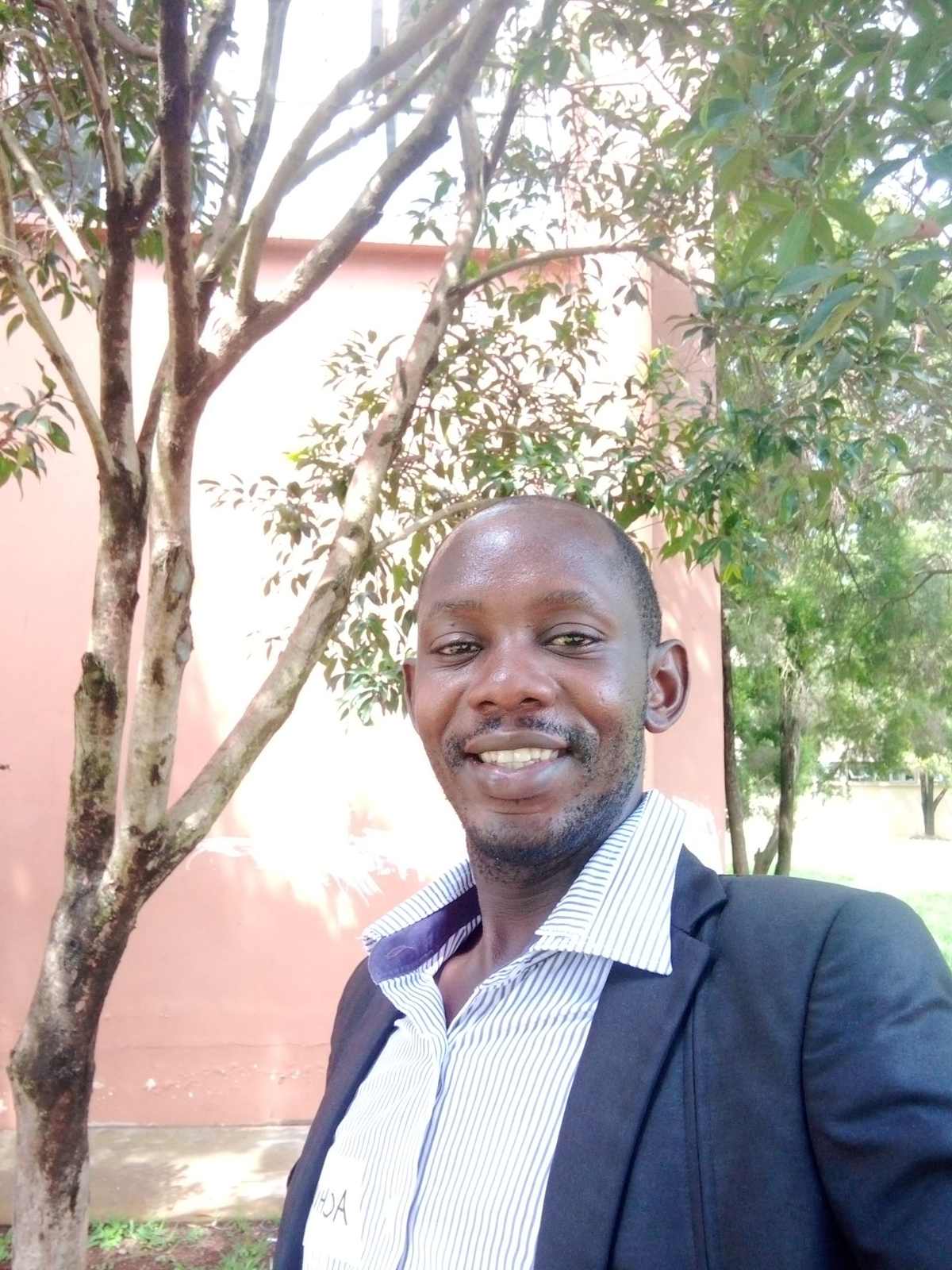
— Lukonge Achilles Musaasizi
Author of The Dream From Dust